
When is the best time to travel to Lofoten?
Choosing when to explore this dramatic Norwegian archipelago depends on the type of natural wonder you want to witness, as Lofoten’s Arctic wilderness shifts dramatically throughout the year.
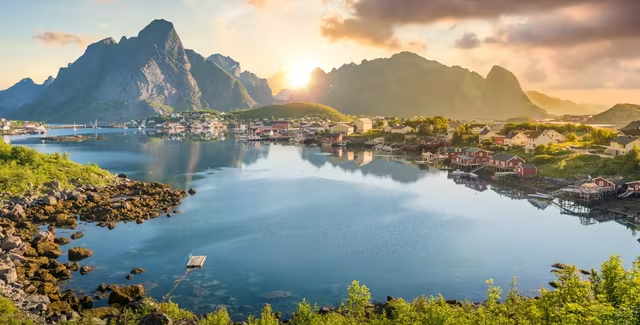
The summer period, stretching from June through August, offers pleasant, mild daytime highs averaging 13–16°C, which is ideal for hiking under the midnight sun, surfing at Unstad Beach, or photographing iconic red fishing cabins. For those seeking the magic of the Aurora Borealis and snow-covered scenery, the late winter and early spring months of February and March are highly recommended, with daytime temperatures reaching around 1–2°C, making them the perfect time to witness the northern lights dancing across the dark skies or enjoy peaceful, snowy hikes.
Temperature variations throughout the year
Positioned well above the Arctic Circle, Lofoten boasts an extraordinarily mild climate for its latitude, a phenomenon caused by the warm currents of the Gulf Stream. While the shift between seasons is visually dramatic, extreme temperature fluctuations are moderated by the surrounding ocean. Throughout the year, normal daily highs climb from about 1°C in January and February—the coldest months—to a peak of 16°C in July, which is the warmest month of the year.
Water temperatures
Diving into the pristine waters of the Norwegian Sea is a thrilling, albeit brisk, experience that defines the Lofoten spirit. The ocean temperature peaks during July and August at around 12–14°C, which feels incredibly refreshing after a long mountain trek, while the freezing winter waters (averaging 2–7°C) attract dedicated cold-water surfers and brave local ice-bathers.

Precipitation
Precipitation is common in this maritime environment, shaping the dramatic waterfalls and lush, green landscapes of the islands. During the stormier autumn and winter seasons, the region experiences about 17–20 wet days per month, often bringing heavy snowfall to the mountains. In contrast, the early summer is much drier, averaging only 10–12 days of lighter rainfall that usually clears up quickly to reveal dramatic skies.
